What is Autism Spectrum Disorder?
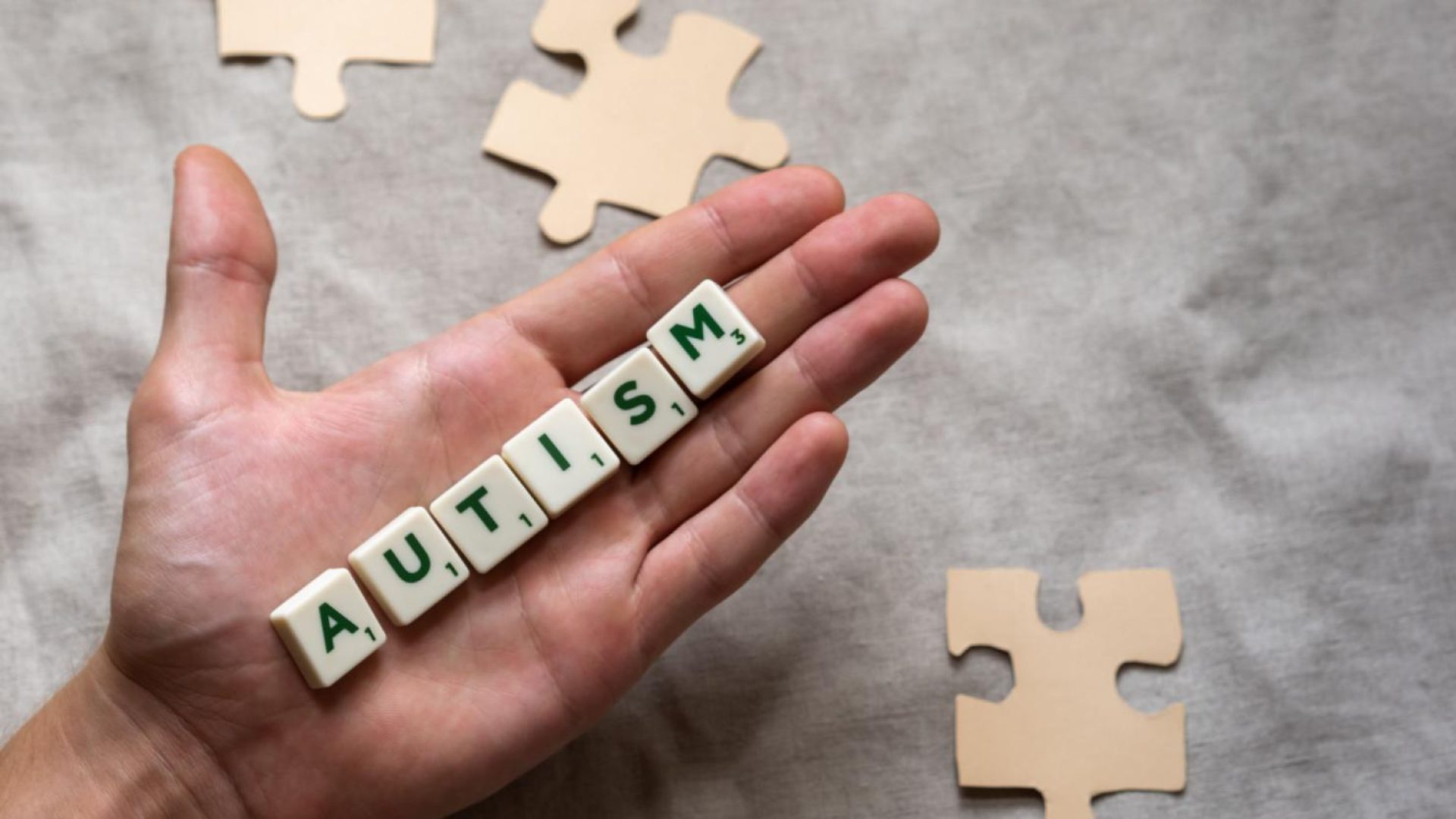
Autism Spectrum Disorder is a neurodevelopmental and lifelong condition affecting the way people communicate and interact with the world around them. The word spectrum implies the wide range of differences one can see in people with ASD. Some need a lot of help in their daily lives, while others may not need much assistance at all.
Why is it called a “spectrum”?
The word spectrum refers to the fact that ASD affects people in different ways. For example, one person may have difficulties with speech, while another person may have exceptional memory. Every person with ASD is unique in the way they experience the world.
How common is Autism Spectrum Disorder?
According to the CDC, 1 in every 36 children in the United States is diagnosed with ASD. People from all races, ethnicities, and socio-economic backgrounds can be diagnosed with ASD. The WHO estimates that 1 in 100 children worldwide are diagnosed with ASD.
What are the characteristics of ASD according to the DSM-5?
There are two core characteristics of ASD according to the DSM-5:
Social communication and interaction deficits
- Difficulty understanding or using eye contact
- Difficulty developing relationships with others
- Difficulty interpreting facial expressions or body language
Restricted, repetitive patterns of behavior
- Repetitive movements
- Obsessive focus on certain topics or ideas
- Unusual reactions to sensory information
Who are some famous people with ASD?
- • Temple Grandin – A renowned scientist and animal rights activist who has ASD. She has been vocal about her struggles with ASD and how it has affected her life.
- • Anthony Hopkins – An Oscar-winning actor who has Asperger’s syndrome. He has talked about how his Asperger’s has affected his life.
• Greta Thunberg – A young climate activist who has ASD. She has talked about how her ASD has helped her to be able to focus so intensely on the climate crisis.
Why is it important to understand ASD?
ASD is not a curable disorder. Many people with ASD prefer the term neurodivergent to describe themselves. It is important to understand and accept people with ASD for who they are.
Discover more
High‑Functioning Autism Spectrum Disorder
ADHD V/S Autism Spectrum Disorder
What are the different types of Autism Spectrum Disorder?
There are several different types of ASD. In the past, doctors used to diagnose people with different subtypes of autism. The different subtypes were used to help understand how best to treat each individual with ASD. However, the subtypes were confusing to many people, including family members of people with ASD.
The different subtypes of ASD used to be:
Autistic Disorder
This used to be the most severe form of ASD. People with autistic disorder often had extreme difficulties with speech and social interaction.
Asperger’s Syndrome
This used to be diagnosed in people with ASD who did not have language delays. People with Asperger’s often had average or above-average intelligence, but struggled with social interaction and nonverbal communication.
Childhood Disintegrative Disorder
This was a rare form of ASD where children would develop normally for a period of time before losing many skills, including speech.
Pervasive Developmental Disorder-Not Otherwise Specified
This used to be diagnosed in people with ASD who did not meet the criteria for any of the other subtypes.
Why was the DSM 5 changed?
In 2013, the DSM 5 was changed to reflect the fact that ASD is a spectrum. This means that there is a wide range of symptoms and severity levels. This change was made because ASD is best understood as a spectrum, rather than a set of distinct categories.
What are the symptoms of ASD?
ASD symptoms can vary greatly from person to person. The symptoms can also be different in children and adults. It is important to be aware of the symptoms of ASD so that people can get the help they need.
Symptoms of ASD in children
Children with ASD may show symptoms before the age of 3. The most common symptoms of ASD in children include:
- Lack of eye contact or response to name
- Delayed speech or unusual speech patterns
- Repetitive movements
- Obsessive focus on certain topics or ideas
- Unusual reactions to sensory information
Example: Temple Grandin was diagnosed with ASD as a child. She had difficulties with speech and social interaction but had exceptional visual memory and spatial awareness. With the help of speech therapy, she was able to overcome many of her communication challenges.
Symptoms of ASD in adults
- Many adults with ASD are not diagnosed until later in life. Some adults with ASD may have difficulties with social interaction and communication.
- They may also have an obsessive focus on certain topics or ideas.
- Many adults with ASD find it helpful to seek out therapy or support groups.
Example: Anthony Hopkins has Asperger’s syndrome. He has talked about how his Asperger’s has affected his life, including his difficulties with social interaction.
Example: Greta Thunberg has ASD. She has talked about how her ASD has helped her to be able to focus so intensely on the climate crisis.
Are there any gender differences?
ASD can affect people of all genders. However, boys are more likely to be diagnosed with ASD than girls. This may be because girls often show different symptoms than boys. Girls with ASD may also be less likely to seek help or support.
What are the causes of ASD?
There is no one known cause of ASD. ASD is thought to be caused by a combination of genetic and environmental factors.
Genetics
Genetics plays a role in ASD. Studies have shown that having a sibling with ASD increases the risk of also having ASD. There may also be certain genes that contribute to ASD.
Example: Temple Grandin has talked about how her ASD has helped her to think uniquely. This shows that genetics can play a role in ASD.
Environment
Environmental factors can also contribute to ASD. Some of the environmental factors that may contribute to ASD include:
- Exposure to toxins
- Advanced parental age
It is important to note that environmental factors do not directly cause ASD, but they may increase the risk of developing ASD.
Brain structure and function
People with ASD may have differences in brain structure and function. These differences can affect how people with ASD think and behave.
Example: Many people with ASD have difficulties with social interaction. This can be due to differences in brain structure and function.
What are some of the myths about ASD?
There are many myths about ASD. These myths can be harmful to people with ASD and their families.
Myth: ASD is caused by bad parenting
Bad parenting is not the cause of ASD. This myth was popular in the 1950s, but it has since been disproven.
Myth: Vaccines cause ASD
This myth is also false. There is no scientific evidence to support the claim that vaccines cause ASD.
Myth: All people with ASD have intellectual disabilities
This is not true. Many people with ASD have average or above-average intelligence.
Myth: ASD only affects boys
This is not true. ASD can affect people of all genders.
It is important to address these conditions because they can significantly impact a person’s quality of life. These conditions can also make it more difficult for people with ASD to receive the support they need.
Why Debunking Myths Matters
Myths fuel stigma, delay diagnosis, and prevent families from seeking help. By challenging misinformation and focusing on evidence, society can embrace neurodiversity and empower autistic individuals to thrive.
How is ASD diagnosed?
ASD can be diagnosed at any age. However, it is often diagnosed in early childhood. Several different methods can be used to diagnose ASD.
Screening in children
Children can be screened for ASD at any age. However, screening is most effective between 16 and 30 months of age. During screening, doctors will look for signs of ASD, such as lack of eye contact or delayed speech.
Example: Temple Grandin was diagnosed with ASD as a child. Early diagnosis allowed her to receive the help and support she needed.
Comprehensive diagnostic evaluation
If screening suggests that a child may have ASD, a comprehensive diagnostic evaluation will be performed. This evaluation may include interviews with parents and caregivers, as well as behavioral assessments.
Example: Many adults with ASD are not diagnosed until later in life. This can be disappointing, but it can also be a relief for many people who have struggled with their ASD for so long.
What are the treatments and therapies for ASD?
There is no cure for ASD, but there are many different treatments and therapies that can help people with ASD. These treatments and therapies can help people with ASD to improve their communication skills, social skills, and overall quality of life.
Behavioral therapies
Behavioral therapies are often used to treat ASD. These therapies can help people with ASD to learn new skills and behaviors.
Example: Applied Behavior Analysis (ABA) is a type of behavioral therapy that is often used to treat ASD. This therapy is effective in helping people with ASD to improve their communication and social skills.
Speech and language therapy
Speech and language therapy can be helpful for people with ASD who have difficulties with communication.
Example: Many children with ASD receive speech and language therapy. This therapy can help them to develop their communication skills and learn to speak more clearly.
Occupational therapy
Occupational therapy can be helpful for people with ASD who have difficulties with fine motor skills or sensory processing.
Example: Occupational therapy can help people with ASD to learn to write, dress themselves, and perform other daily tasks.
Medications
There are no medications that can cure ASD, but there are medications that can help to manage some of the symptoms of ASD.
Example: Medications can be used to treat symptoms of anxiety, depression, and irritability in people with ASD.
Why are early interventions so important?
Early interventions can be very helpful for people with ASD. These interventions can help people with ASD to develop communication and social skills.
Example: Temple Grandin was diagnosed with ASD as a child and received early interventions. These interventions helped her to develop her communication skills and eventually become a successful scientist and writer.
What impact can ASD have on a person’s daily life?
ASD can have a big impact on a person’s daily life. People with ASD may need help with communication, social interaction, and daily living skills.
Education
People with ASD may need additional support in school. This support can include individualized education plans or special education services.
Example: Temple Grandin received the help she needed in school, which enabled her to become a successful scientist and writer.
Employment
People with ASD may need help finding and maintaining employment.
Example: Many people with ASD can find jobs in fields such as technology, engineering, and the arts. These fields often value the unique skills and perspectives of people with ASD.
Family and caregiver support
Caregivers of people with ASD may need additional support and resources.
Example: Family support is often crucial for people with ASD. Caregivers may need to learn how to communicate effectively with their loved ones with ASD.
What strengths are commonly found in people with ASD?
People with ASD often have unique strengths and abilities. These strengths can include exceptional memory, creativity, and problem-solving skills.
Example: Temple Grandin has ASD and is known for her incredible memory and creativity. She has used these strengths to become a successful scientist and writer.
Example: Greta Thunberg has ASD and has used her strengths to become an influential climate activist.
Why is it important to support people with ASD?
It is important to support people with ASD so that they can live happy and fulfilling lives. People with ASD often need help with communication, social interaction, and daily living skills.
What conditions often occur with ASD?
ASD often occurs with other conditions. These conditions can include ADHD, anxiety, OCD, and depression.
ADHD
ADHD is a common condition that often occurs with ASD. People with ADHD may have difficulties with focus and attention.
Anxiety
- Anxiety is another condition that often occurs with ASD. People with anxiety may experience excessive worry or fear.
OCD
OCD is a condition that often occurs with ASD. People with OCD may have obsessive thoughts and compulsive behaviors.
Depression
Depression is a common mental health condition that can occur with ASD.
Why is it important to address these conditions?
It is important to address these conditions because they can significantly impact a person’s quality of life. These conditions can also make it more difficult for people with ASD to receive the support they need.
Takeaway Note
Autism Spectrum Disorder is not a limitation but a different way of experiencing the world. While challenges exist, autistic individuals also bring extraordinary strengths from creativity and innovation to focus and resilience. Early diagnosis, evidence‑based therapies, and supportive communities make a profound difference in outcomes.
Families should focus on acceptance, advocacy, and empowerment, while society must embrace neurodiversity. Real‑world examples like Temple Grandin, Greta Thunberg, and Anthony Hopkins show that autistic voices can transform science, activism, and the arts.
The most important message: Autism is lifelong, but with understanding, support, and inclusion, individuals can thrive. By challenging myths, addressing co‑occurring conditions, and celebrating strengths, we create a world where every person’s potential is recognized and valued.
Frequently Asked Questions (FAQs)
Q1: Can autism be cured?
No. Autism is lifelong, but therapies improve communication, independence, and quality of life.
Q2: Is autism more common in boys?
Yes, boys are diagnosed about 4 times more often, though autism affects all genders.
Q3: Can adults be diagnosed with autism?
Yes. Many adults receive a diagnosis later in life, often after seeking help for anxiety or social difficulties.
Q4: Do vaccines cause autism?
No. Large studies confirm vaccines are safe and do not cause autism.
Q5: What strengths do autistic individuals often have?
Strong memory, creativity, attention to detail, and unique problem‑solving perspectives.
References (Authoritative Sources)
- CDC – Autism Spectrum Disorder Facts
- National Institute of Mental Health (NIMH) – Autism Spectrum Disorder
- Mayo Clinic – Autism Spectrum Disorder Overview
- World Health Organization (WHO) – Autism Spectrum Disorders Fact Sheet
- Child Mind Institute – Guide to ASD
- Autism Speaks – Research and Resources