Is ADHD an Autism Spectrum Disorder? Understanding the Differences
Introduction
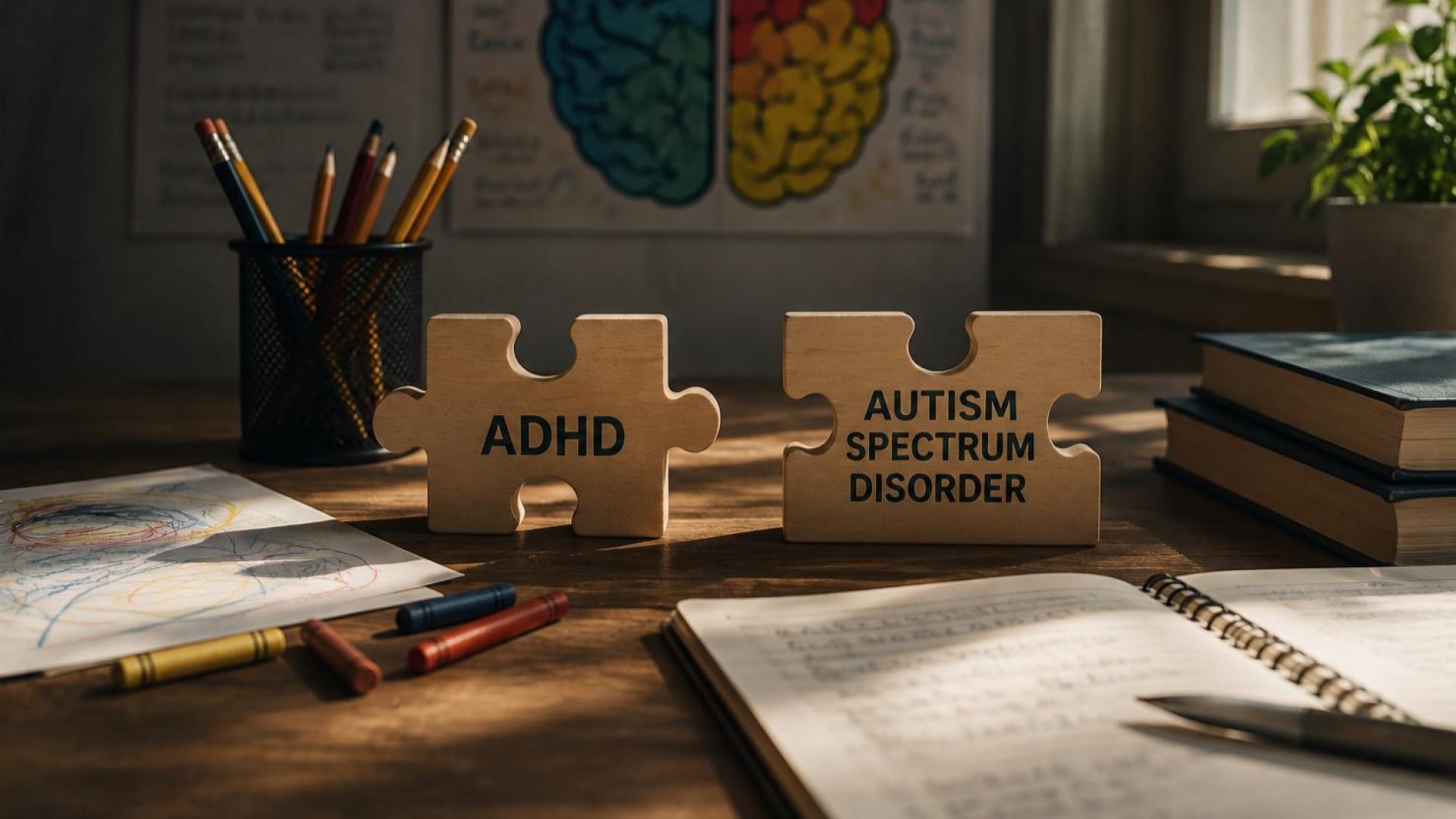
Autism Spectrum Disorder (ASD) and Attention‑Deficit/Hyperactivity Disorder (ADHD) are two of the most widely discussed neurodevelopmental conditions. Because they share overlapping traits such as difficulties with focus, impulsivity, and social interaction, many people ask: Is ADHD an autism spectrum disorder?
The answer is no. ADHD and autism are distinct conditions recognized separately in the DSM‑5. However, they frequently co‑occur, meaning an individual can be diagnosed with both. Understanding their differences and similarities is essential for accurate diagnosis, effective treatment, and reducing stigma.
What is ADHD?
ADHD is a neurodevelopmental disorder characterized by inattention, hyperactivity, and impulsivity. Specifically, those diagnosed with ADHD may exhibit the following symptoms:
- Inattention: Difficulty sustaining focus, forgetfulness, disorganization.
- Hyperactivity: Restlessness, excessive movement, difficulty sitting still.
- Impulsivity: Acting without thinking, interrupting conversations, risk‑taking.
According to the NIMH, ADHD affects millions worldwide and often continues into adulthood. Symptoms may vary depending on age, environment, and individual coping strategies.
What is Autism Spectrum Disorder?
Autism spectrum disorder, conversely, involves social interaction and restricted/repetitive patterns of behavior. Two common signs of ASD are as follows::
- Social communication differences: Challenges with eye contact, interpreting facial expressions, and forming relationships.
- Restricted and repetitive behaviors: Intense focus on specific interests, routines, or sensory sensitivities.
The CDC estimates that 1 in 36 children in the U.S. are diagnosed with autism. Unlike ADHD, autism is described as a spectrum because symptoms vary widely in severity and presentation.
Why Do People Confuse ADHD and Autism?
Overlapping Traits
- Both conditions involve executive function challenges difficulties with planning, organization, and self‑regulation.
- Both can affect social interaction, though for different reasons.
- Both may involve sensory sensitivities or emotional regulation difficulties.
Masking and Misdiagnosis
Children with ADHD may be misdiagnosed with autism if their hyperactivity is mistaken for repetitive behavior. Conversely, autistic children may be misdiagnosed with ADHD if their focus difficulties are interpreted as inattention.
Key Differences between ADHD and Autism
| Feature | ADHD | Autism Spectrum Disorder |
| Core Symptoms | Inattention, hyperactivity, impulsivity | Social communication differences, restricted interests |
| Social Interaction | Interrupts, distractible, impulsive | Difficulty interpreting cues, prefers routines |
| Focus | Easily distracted, struggles to sustain attention | May hyperfocus on specific interests |
| Diagnosis | Based on behavioral patterns across settings | Based on social, communication, and behavioral criteria |
| Treatment | Medication + behavioral therapy | Behavioral therapy, speech/occupational therapy, support programs |
Can ADHD and Autism Co‑occur?
Yes. Research shows that 30–50% of individuals with autism also meet criteria for ADHD. This overlap is significant because:
- It complicates diagnosis.
- It requires integrated treatment plans.
- It affects educational and workplace accommodations.
For example, a child with both ADHD and autism may need support for attention regulation (ADHD) and social communication (autism).
Diagnosis and Treatment
Diagnosis
There are several screening tools for ADHD, including the parent and teacher rating scales. A diagnosis can then be confirmed with additional behavioral health screenings and interviews.
An autism diagnosis, meanwhile, is made using standardized assessments such as ADOS‑2, along with developmental histories, observations, and parent interviews. It is especially important to distinguish between ADHD and autism accurately if a person is being considered for ADHD medication, such as stimulants.
Systematically,
- ADHD is diagnosed through behavioral assessments, teacher/parent reports, and clinical interviews.
- Autism is diagnosed through developmental history, observation, and tools like the ADOS‑2.
- When both conditions are suspected, clinicians must carefully distinguish overlapping traits.
Treatment
There are numerous treatment options for ADHD and autism. For ADHD, medications such as stimulants, along with behavioral therapy and accommodations, can be helpful. For autism, treatment often involves a combination of behavioral therapies, such as ABA therapy, social skills therapy, and speech-language pathology, among others.
When it comes to co-occurring ADHD and autism, a multi-disciplinary approach is recommended.
- ADHD: Stimulant medications, behavioral therapy, classroom accommodations.
- Autism: Applied Behavior Analysis (ABA) therapy, speech therapy, occupational therapy, social skills training.
- Combined: Integrated care plans addressing both attention regulation and social communication.
Daily Life Impact
Education
Students with ADHD may struggle to sit still or complete assignments, while autistic students may struggle with group work or sensory overload. When both conditions co‑occur, schools must provide Individualized Education Plans (IEPs) that address both sets of needs.
Employment
Adults with ADHD may excel in fast‑paced environments but struggle with deadlines. Adults with autism may thrive in structured roles but struggle with teamwork. When both are present, workplace accommodations must balance flexibility with structure.
Relationships
ADHD can cause impulsivity in conversations, while autism can cause difficulty interpreting social cues. Together, these challenges require patience, communication strategies, and sometimes counseling.
Real‑World Examples
- Many adults diagnosed later in life report that their ADHD masked autistic traits, or vice versa.
- Advocacy groups emphasize that recognizing dual diagnoses helps individuals access the right therapies.
- Public figures like Greta Thunberg (autism) and celebrities with ADHD highlight the importance of destigmatizing neurodiversity.
Takeaway Note
ADHD is not an autism spectrum disorder, but the two conditions can occur together. Understanding the differences and similarities between ADHD and autism is essential to ensuring proper care and treatment for those with either condition. Moreover, people with autism and ADHD should be supported in their homes, schools, and workplaces, with accommodations and therapies as needed.
The most important message: ADHD and autism are distinct, but when they occur together, integrated care and acceptance are key. Families, schools, and workplaces must embrace neurodiversity, ensuring individuals receive the support they need to thrive.
Finally, those with ADHD, ASD, or both must be treated with compassion, understanding, and acceptance. After all, ADHD and autism are both neurodevelopmental disorders that shape how individuals interact with the world. The more the public educates itself on these conditions, the more it can contribute to a world that is accepting of neurodiversity.
FAQs
Q1: Is ADHD an autism spectrum disorder?
No. ADHD and autism are distinct conditions, though they often co‑occur.
Q2: Can ADHD and autism be diagnosed together?
Yes. Many individuals meet criteria for both, requiring integrated treatment.
Q3: How are ADHD and autism treated differently?
ADHD often involves medication and behavioral therapy, while autism focuses on therapies like ABA, speech, and occupational support.
Q4: Why is diagnosis challenging?
Because symptoms overlap, clinicians must carefully distinguish traits to avoid misdiagnosis.
Q5: Do ADHD and autism share strengths?
Yes. ADHD individuals may be creative and energetic, while autistic individuals may have strong focus and unique perspectives. Together, these traits can complement each other.
References
- Centers for Disease Control and Prevention (CDC) – Autism Spectrum Disorder (ASD) Facts and Statistics CDC Autism Spectrum Disorder
- National Institute of Mental Health (NIMH) – Autism Spectrum Disorder Overview and DSM‑5 Criteria NIMH Autism Spectrum Disorder
- Mayo Clinic – Autism Spectrum Disorder Symptoms, Causes, and Treatments Mayo Clinic Autism Overview
- World Health Organization (WHO) – Autism Spectrum Disorders Fact Sheet WHO Autism Spectrum Disorders
- Child Mind Institute – Autism in Girls, Masking Behaviors, and Neurodiversity Resources Child Mind Institute Autism Resources
- Autism Speaks – Therapies, Diagnostic Tools, and Family Support Programs Autism Speaks Resources