
High‑Functioning Autism Spectrum Disorder: Signs, Symptoms & Support
Introduction
High‑Functioning Autism Spectrum Disorder (HFASD) refers to individuals with autism spectrum disorder who display average or higher intellectual capabilities and possess good language skills. Although not an official diagnosis in the DSM‑5, it is frequently used outside clinical settings. HFASD reflects the varying degrees of functionality that can exist among people with autism. People with HFASD usually score at or above average on standard intelligence tests, though they may need support in certain areas of life.
Recognizing HFASD in individuals is essential so that family members, schools, and employers can better understand the specific challenges and needs that people with HFASD may face in their daily interactions and activities.
What Does “High‑Functioning” Mean?
The term “high‑functioning” generally refers to autistic individuals who:
- Have fluent speech and communication skills.
- Can perform daily living tasks independently.
- Often excel in academics or specialized fields.
- Still experience difficulties with social communication, sensory sensitivities, and emotional regulation.
However, people with HFASD may still have social communication challenges and unusual reactions to sensory information. The term “high-functioning” can be misleading since many autistic people do not identify with this label due to several reasons. For example, people with HFASD often face significant challenges, such as anxiety, which can make them appear “low-functioning.” As such, some autistic people prefer to use different terms, such as neurodivergent or autistic, to identify themselves.
Signs and Symptoms of High‑Functioning Autism
Most of the signs and symptoms of HFASD stem from social communication challenges, restricted patterns of behavior and interests, and the accompanying mental health problems that affect many people with HFASD.
Social Communication Differences
- Difficulty interpreting facial expressions, sarcasm, or humor.
- Challenges in forming friendships or maintaining workplace relationships.
- Preference for literal language and structured conversations.
Behavioral Traits
- Intense focus on specific interests (e.g., technology, science, arts).
- Strong need for routines and predictability.
- Sensory sensitivities to light, sound, or textures.
Emotional and Cognitive Features
- High intelligence or creativity in specialized areas.
- Risk of masking behaviors hiding autistic traits to fit in socially, which can lead to exhaustion.
- Co‑occurring conditions such as ADHD, anxiety, or depression.
Daily Life with High‑Functioning Autism
Education
In school, students with HFASD may struggle socially and in the classroom due to communication difficulties, sensory sensitivities, and challenges understanding non-literal language. They may also have a hard time working in groups. People with HFASD often excel in schoolwork, which is why they are frequently labeled as “autistic savants.” However, their social challenges and sensitivities can impact their studies. Support strategies include:
- Individualized Education Plans (IEPs) for tailored learning.
- Quiet spaces and visual schedules.
- Peer mentoring and teacher training.
Employment
Many people with HFASD can succeed in the workforce and are often recruited by companies that recognize their value. For example, many technological companies have established autism hiring programs to recruit people with HFASD. People with HFASD tend to be perfectionists, which can make them excellent workers. Those employed in highly structured environments, such as scientists, also tend to thrive when working with others who understand their needs. However, people with HFASD may have difficulties interacting with colleagues and may struggle during job interviews.
Example: Companies like Microsoft and SAP run autism hiring programs, recognizing the unique strengths autistic employees bring to innovation.
Relationships and Family Life
People with HFASD can have meaningful relationships and enjoy spending time with their partners, parents, and siblings despite having social challenges. Family members can help people with HFASD navigate their lives and understand their emotions by seeking professional counseling. Family support can reduce the stress experienced by people with HFASD, thereby improving their overall well-being. Moreover, HFASD people can benefit from connecting with others who share similar interests through support group forums.
- HFASD individuals may struggle with emotional expression but form deep, loyal bonds.
- Family support and counseling help reduce stress and improve communication.
- Peer support groups provide community and reduce isolation.
Support Strategies for High‑Functioning Autism
Therapies
- Applied Behavior Analysis (ABA) for skill development.
- Speech therapy to refine pragmatic language and social communication.
- Occupational therapy for sensory regulation and daily living skills.
Mental Health Support
- Cognitive Behavioral Therapy (CBT) adapted for autism to manage anxiety and depression.
- Medication for co‑occurring conditions when necessary.
Community and Advocacy
- Peer support groups and online communities.
- Advocacy for neurodiversity inclusion in schools and workplaces.
- Family education programs to reduce caregiver stress.
Real‑World Examples
- Greta Thunberg describes her autism as a “superpower,” allowing her to focus intensely on climate activism.
- Temple Grandin revolutionized animal welfare design, showing how autistic strengths can transform science.
- Anthony Hopkins credits his Asperger’s traits for his intense focus on acting.
These examples highlight that HFASD individuals can thrive when their strengths are recognized and supported.
Takeaway Note
High‑Functioning Autism Spectrum Disorder is not about being “less autistic” it is about recognizing the diversity of experiences within the spectrum People with HFASD may still have social communication problems and unusual nonverbal communication patterns. The term “high-functioning” can be confusing for many people due to HFASD’s wide functional range. While some individuals may have savant-like abilities, others may need substantial support in various areas of life.
The key is acceptance, advocacy, and tailored support. Families, schools, and workplaces must embrace neurodiversity, ensuring that autistic individuals are valued for their strengths while supported in their challenges.
However, this does not diminish the contribution of people with HFASD to society. Many successful individuals, including those in the entertainment, science, and technological fields, are HFASD. By recognizing the challenges faced by HFASD individuals, family members, employers, friends, and institutions can make the adjustments necessary to help them flourish. or social support when necessary is entirely normal.
FAQs
Q1: Is high‑functioning autism an official diagnosis?
No. It is a descriptive term, not part of the DSM‑5.
Q2: Can people with HFASD live independently?
Yes, many do, but support may still be needed for social or emotional challenges.
Q3: Do all HFASD individuals excel academically?
Not always. Some excel in specific areas, while others struggle with executive function or sensory overload.
Q4: Is ADHD part of autism?
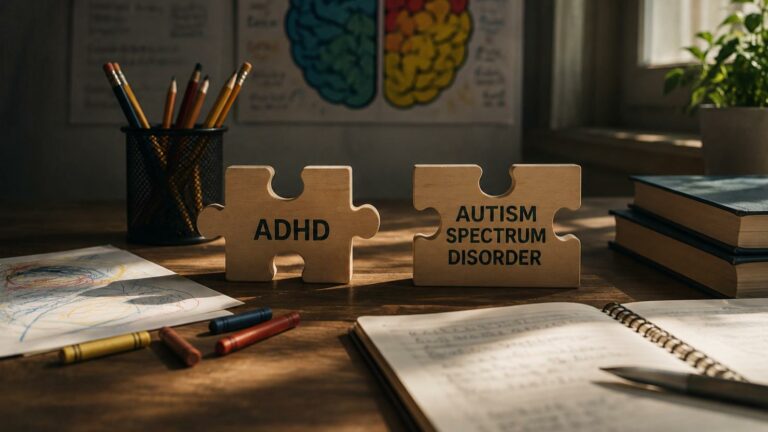
No. ADHD and autism are distinct but often co‑occur. See ADHD and autism.
Q5: What therapies help most?
ABA, speech therapy, occupational therapy, and CBT adapted for autism.
References
- Centers for Disease Control and Prevention (CDC) – Autism Spectrum Disorder (ASD) Facts and Statistics CDC Autism Spectrum Disorder
- National Institute of Mental Health (NIMH) – Autism Spectrum Disorder Overview and DSM‑5 Criteria NIMH Autism Spectrum Disorder
- Mayo Clinic – Autism Spectrum Disorder Symptoms, Causes, and Treatments Mayo Clinic Autism Overview
- World Health Organization (WHO) – Autism Spectrum Disorders Fact Sheet WHO Autism Spectrum Disorders
- Child Mind Institute – Autism in Girls, Masking Behaviors, and Neurodiversity Resources Child Mind Institute Autism Resources
- Autism Speaks – Therapies, Diagnostic Tools, and Family Support Programs Autism Speaks Resources
- Microsoft Autism Hiring Program – Neurodiversity Inclusion in the Workplace Microsoft Autism Hiring Program