
Addictions
Youth is a very critical and tender age group and there is so much of a hormonal game going inside of an individual during a transition period from childhood to a teenage-hood. These hormonal changes make you extremely vulnerable to every good and bad thing around you. You want to try everything for the sake of fun or under peer pressure. You are willing to try smoking, weed, drugs, alcohol, etc. Teenagers do this just for the sake of fun without knowing how lethal these things can be for their mental and physical health. The fun ends up into a nightmare for you, but most teens are not willing to understand this unless they face a tragedy.
Deliberate self-harm
Deliberate self-harm is even more common than addictions during this tender age.
Emotional issues such as mood swings , anger, depression, anxiety, hyperactivity, stress, and sadness cause actions like deliberate self-harm . Technically, transition of brain and body heightens emotions . Even the minor or non-significant incidents tend to make you outrageous, and you lash out. Heartbreaks, academic pressure, or lack of family support are a few reasons that force these adolescents to hurt themselves. Somehow, the pain they feel by hurting themselves makes them feel better.
I know this because I have been a victim of self-harm. Yes, in my teenage years, I had no control over my emotions, and every reaction was an overreaction. Even a little setback made me lose my nerves, and I ended up hurting myself. I don’t know how and why it is used to relieve my stress for a short time. However ,It didn’t last long. You are so overwhelmed by the situation that you don’t even understand what damage you are doing to your body unless you see the scars. Nothing heals them, no remedy cures them, and no surgery fixes them. These scars become a lifelong regret.
Team Youthtabletalk is here to tell you that hurting yourself or indulging in drug addictions is not a solution to your problems. Team Youthtabletalk will address your concerns and it will come up with ways to avoid or solve them.

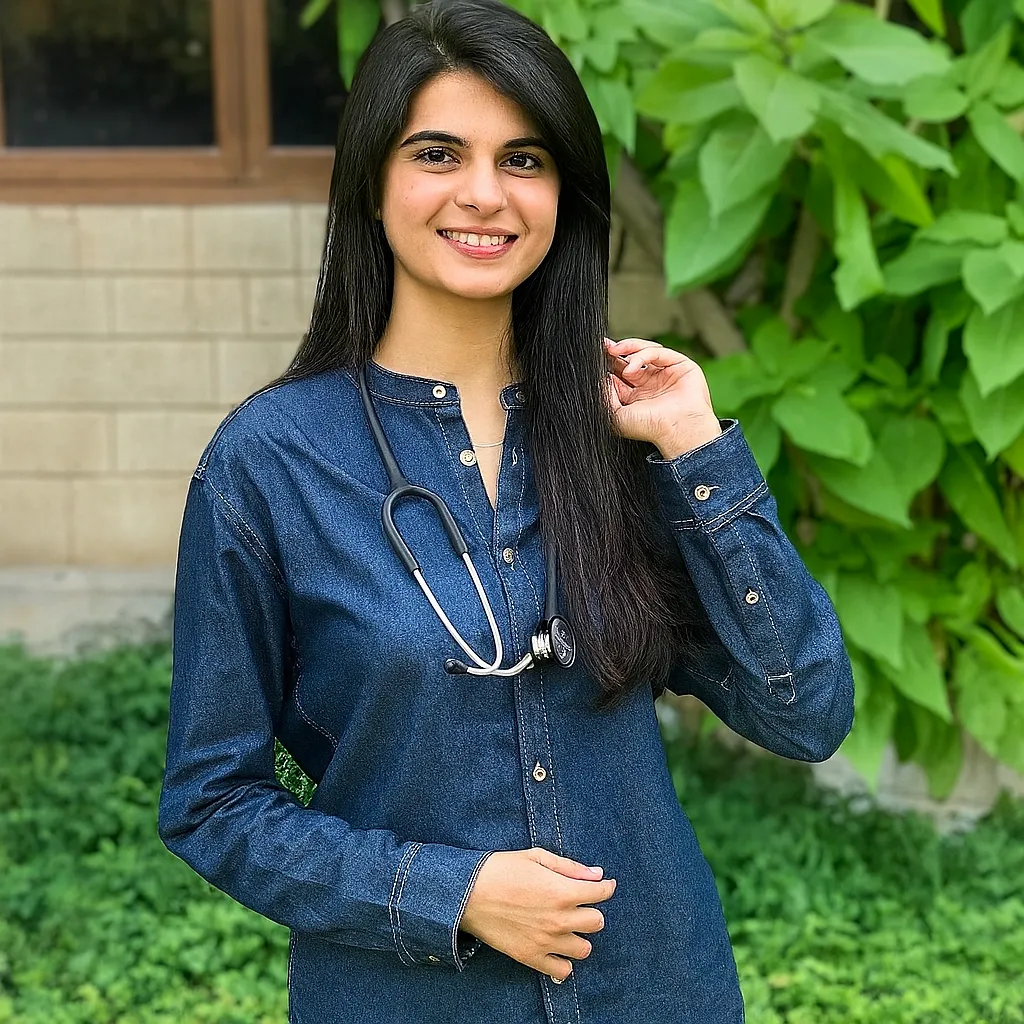
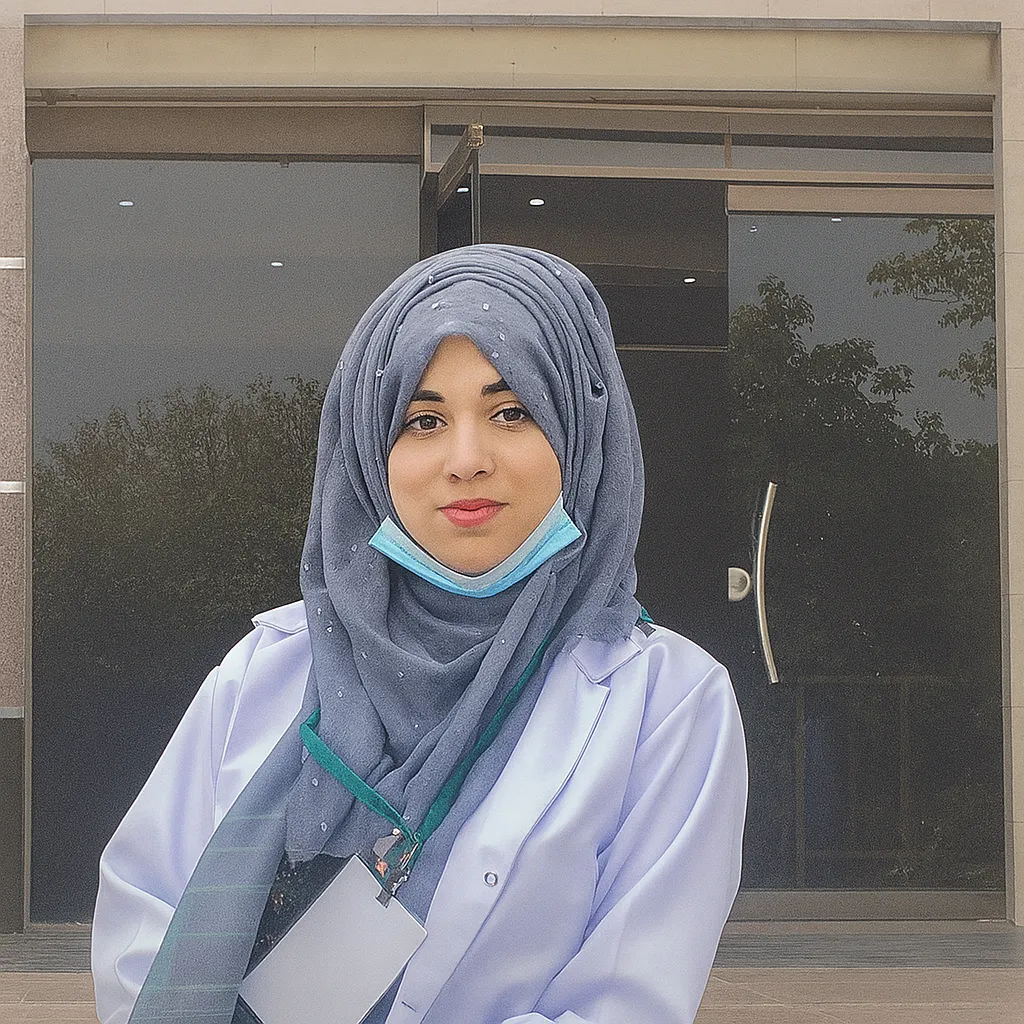
Dr. Talia Siddiq is a resident psychiatrist in training at Dr. Ruth K.M. Pfau Civil Hospital Karachi, deeply passionate about understanding the human mind and helping people find healing. Beyond her clinical work, she is also a writer who believes that mental health conversations should be easy, relatable, and stigma-free.
She started writing in 2020, turning her reflections and experiences into articles that speak to the struggles many young people silently face—whether it’s self-harm, addictions, relationships, or simply finding direction in life. Over time, her writing has expanded into areas like career guidance and financial independence, because she strongly believes that resilience isn’t just about surviving emotionally—it’s about building a meaningful, balanced life.
For Talia, YouthTableTalk is more than a blog. It’s a safe corner on the internet where young people can pause, reflect, and feel understood. Her goal is not to lecture but to have a conversation—just like a friend who listens, shares, and gently guides you toward growth.
When she isn’t studying psychiatry or writing, you’ll often find her reading, exploring self-growth books, or cooking something new for her family. She brings the same curiosity and compassion to her personal life that she does to her work: always seeking better ways to connect, learn, and inspire.
Through YouthTableTalk, she hopes to remind every reader of one simple truth: you’re not alone, and your story matters.